
By Nathan Kiwere
In recent years, Africa’s Christian landscape has undergone a silent revolution. While the message of salvation remains timeless, the methods of spreading it have evolved dramatically. Gone are the days when the only pulpit was a raised wooden platform in a church building. Today, the pulpit glows from the palm of a hand — in the form of a smartphone screen. The digital era has redefined ministry, giving rise to what can be aptly described as the digital pulpit.
Across cities and villages, African ministers are harnessing technology to reach souls beyond the physical walls of their sanctuaries. Livestreamed sermons, online prayer meetings, and virtual conferences have become the new frontiers of evangelism. What once required crusade tents and printed flyers now happens in pixels and data bundles. The gospel travels faster, further, and deeper — not by foot or radio waves alone, but through fiber optics and mobile networks.
One can imagine a young pastor standing before a modest smartphone mounted on a tripod in a sparsely furnished living room. Behind him, a curtain serves as the backdrop; before him, an invisible congregation gathers from across borders. A single click goes live on social media, and within minutes, worshippers from Harare, Nairobi, Kampala, and Maputo join in praise. The words spoken are amplified not by a loudspeaker, but by the power of algorithms that spread the message to anyone scrolling by.
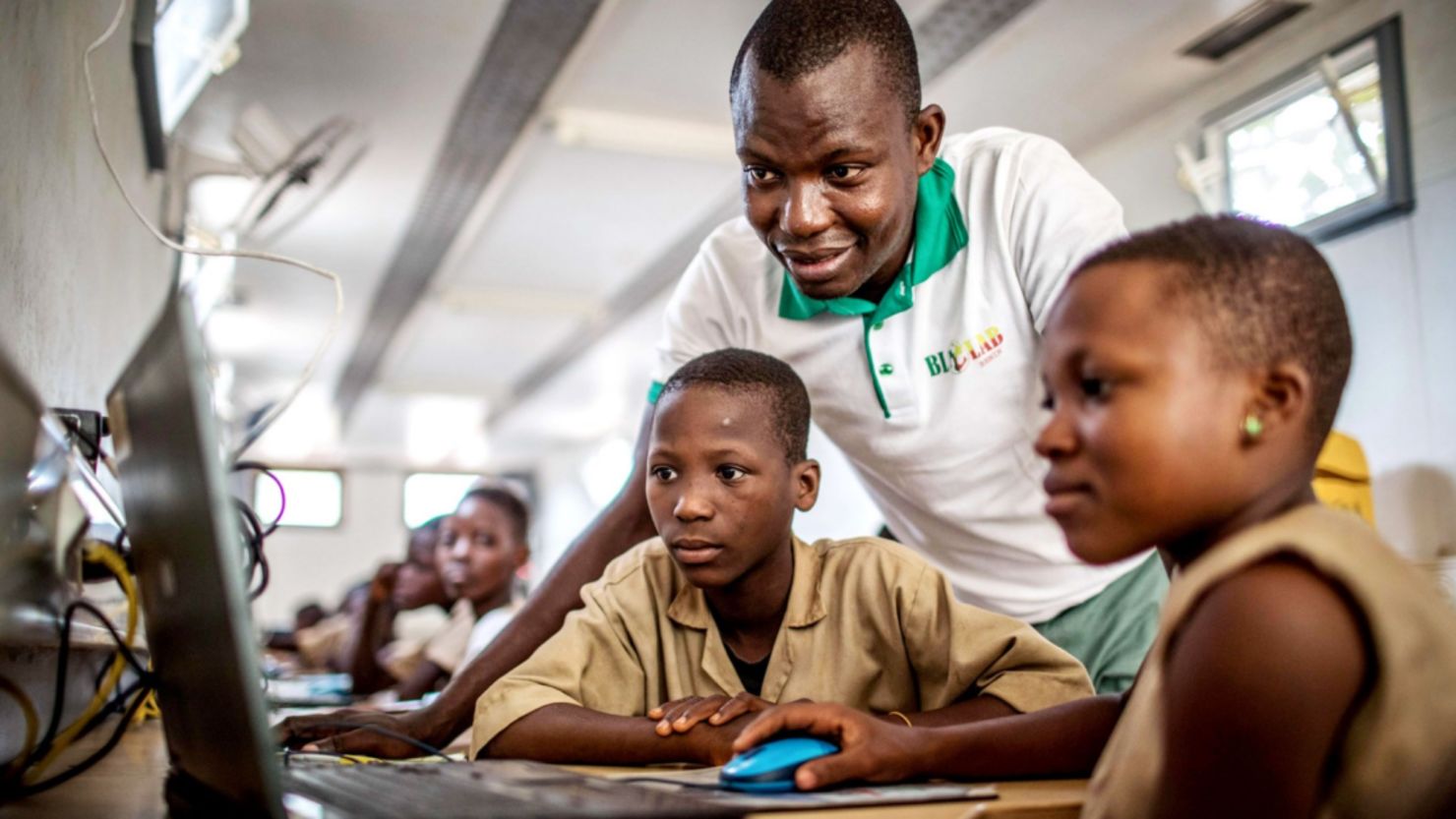
In rural communities, where traditional church structures still dominate, technology is creating bridges. Ministries have begun using WhatsApp groups for Bible study, Zoom for discipleship classes, and podcasts for sharing devotionals in local dialects. Audio messages recorded on simple phones now carry encouragement to remote villages where pastors cannot easily travel. Even the elderly, once considered outsiders to this digital transformation, are gradually finding ways to listen, watch, and engage.
The digital pulpit has also democratized ministry. Young men and women who once waited for years to be recognized by formal institutions are now stepping forward boldly to share the Word online. They create Christian YouTube channels, host Instagram devotionals, and write inspirational blogs. Their congregations are borderless, their impact measurable not in pews filled but in souls reached and lives transformed. This new generation of ministers is fluent in both the language of Scripture and the syntax of technology.
However, this transformation is not without challenges. The temptation to prioritize views and likes over spiritual depth looms large. Some ministries risk turning worship into performance, where production value overshadows the sacred message. The digital realm, though powerful, demands discernment. For the digital pulpit to serve its divine purpose, the messenger must remain grounded in humility, truth, and accountability.
Yet, even with its complexities, technology remains a gift to the African Church. It has proven invaluable in times of crisis, especially during pandemics and political unrest, when physical gatherings were restricted. The Church did not fall silent; it adapted. Out of adversity emerged innovation — radio evangelism was reborn through podcasts, and prayer lines turned into prayer rooms on Telegram and Zoom. The message of hope refused to be quarantined.
Beyond evangelism, technology is transforming pastoral care and administration. Digital giving platforms sustain church operations; mobile apps help track attendance and manage small groups; online counseling sessions bring comfort to those battling mental health struggles in private. The Church is learning to meet people where they are — not only in spirit but also in cyberspace.
As we look to the future, one cannot help but marvel at how Africa’s faith journey continues to evolve. The continent that once received the gospel through handwritten letters and missionary voyages is now exporting it through digital waves. From remote hamlets to bustling metropolises, the message of Christ echoes across devices and platforms.
The digital pulpit has become a beacon of innovation and inclusion — a testament that the Church, though ancient in origin, is ever new in expression. Technology is not replacing the sacred; it is extending its reach. The Holy Spirit still moves, not through circuits and screens, but through hearts awakened by the eternal Word, wherever they may be found.
In the end, the digital pulpit is not merely a trend; it is a testament to God’s adaptability through His people. The tools may change, the platforms may evolve, but the mission remains the same — to proclaim good news to all creation. The African Church stands at this intersection of faith and technology, ready to tell the ancient story in new and powerful ways.
Leave a Reply