
By Nathan Kiwere
For many years, the narrative of global evangelism seemed to flow in one direction—from the West to the rest of the world. Missionaries from Europe and North America once carried the gospel torch into Africa’s villages, schools, and cities, often blending faith with education, healthcare, and development. But a remarkable reversal is now unfolding. From the bustling streets of Lagos to the hills of Kigali and the townships of Johannesburg, African pastors are no longer merely recipients of the gospel message—they are shaping its expression, exporting its fire, and redefining its mission across continents.
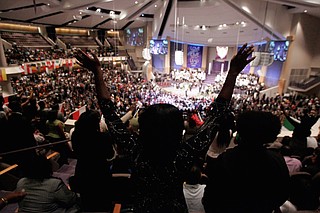
The modern landscape of Christianity bears the unmistakable imprint of Africa’s spiritual vitality. In countries once considered the peripheries of Christendom, dynamic ministries now thrive, drawing followers not only from within the continent but also from Europe, Asia, and the Americas. It is not uncommon to find churches led by African pastors attracting large congregations in cities like London, Toronto, or Dallas. The migration of Africans has not only carried people across borders but also transported their faith, transforming it into a global movement.
In one vivid illustration, an African pastor who began preaching under a mango tree now oversees a global ministry with branches in more than thirty nations. His messages—rooted in passionate prayer, vibrant worship, and deep spiritual conviction—resonate with believers yearning for authenticity and power. His emphasis on divine encounters, healing, and the transformative work of the Holy Spirit has drawn many back to a faith experience that feels raw and real. Through radio, television, and digital platforms, his message travels farther than the missionaries of old ever could.
Another example can be found in the rise of African-led churches in Europe. In some once-empty cathedrals, now filled with joyful singing and dancing, Africans are rekindling the spiritual flame of cities that had grown cold to religion. Worship services, often marked by intense prayer, rhythmic music, and vibrant preaching, have become cultural bridges where faith meets diversity. The story of African evangelism in the 21st century is, therefore, not only about expansion but also renewal—about reawakening dormant faith in lands that once sent out missionaries.
This transformation is fueled by a theology that blends biblical truth with contextual relevance. African pastors often speak to the everyday realities of their followers—poverty, unemployment, family challenges, and political instability—through a message of hope and empowerment. Their sermons are not abstract but practical, filled with examples of perseverance and divine intervention. One can picture a congregation erupting in song after hearing a testimony of a woman who prayed her way out of debt, or a young man who turned away from crime after an encounter at a revival meeting.
Technology has amplified this new wave of evangelism. Livestreamed services, YouTube sermons, and social media devotionals now connect millions across time zones. A believer in Nairobi can attend a virtual prayer vigil led by a pastor in Accra, while someone in Berlin can watch a healing service from Kampala in real time. This digital evangelism—energized by African creativity and adaptability—has given the gospel a new language, one that transcends geography and culture.
Perhaps the most profound element of this movement is the unapologetic confidence with which African pastors now approach global ministry. They are no longer trying to imitate Western models of church but are boldly exporting their own—vibrant, emotional, and deeply rooted in community. They preach with rhythm, sing with passion, and pray with intensity. They have turned Africa’s historical wounds into spiritual strength, testifying that faith can flourish even in the midst of adversity.
This new generation of African evangelists stands on the shoulders of those who came before—the pioneering African preachers of the 20th century who first localized Christianity and made it resonate with African culture and experience. Today’s pastors are their spiritual heirs, carrying forward the mission with a broader vision and a global reach. Their ministries are not confined by borders or denominations; instead, they form a mosaic of spiritual energy that reflects the diversity and resilience of the continent itself.
What we are witnessing, then, is not merely a religious trend but a redefinition of global Christianity. Africa, once a mission field, has become a mission force. Its pastors have transformed prayer into a cultural export, worship into a global language, and faith into a bridge across nations. As the sun rises over the African continent, it illuminates not only its mountains and plains but also the luminous faith of a people now leading the world back to God.
Leave a Reply